

-
Out of Sight, Out of Pocket: Why You Need a Sewer Lateral Inspection When Buying a Home
Finding your dream house is an exhilarating milestone. You’ve toured the property, fallen in love with the layout, and now you are ready for a standard home inspection.
But there is a massive catch: a standard home inspection stops where the main sewer line goes underground.
If you skip a sewer lateral inspection (commonly called a sewer scope), you are taking a blind gamble on the hidden pipeline connecting the home to the municipal sewer main. Here is why adding a sewer scope to your due diligence checklist is a non-negotiable step to protect your finances and peace of mind.
1. Standard Inspections Don't Look Underground
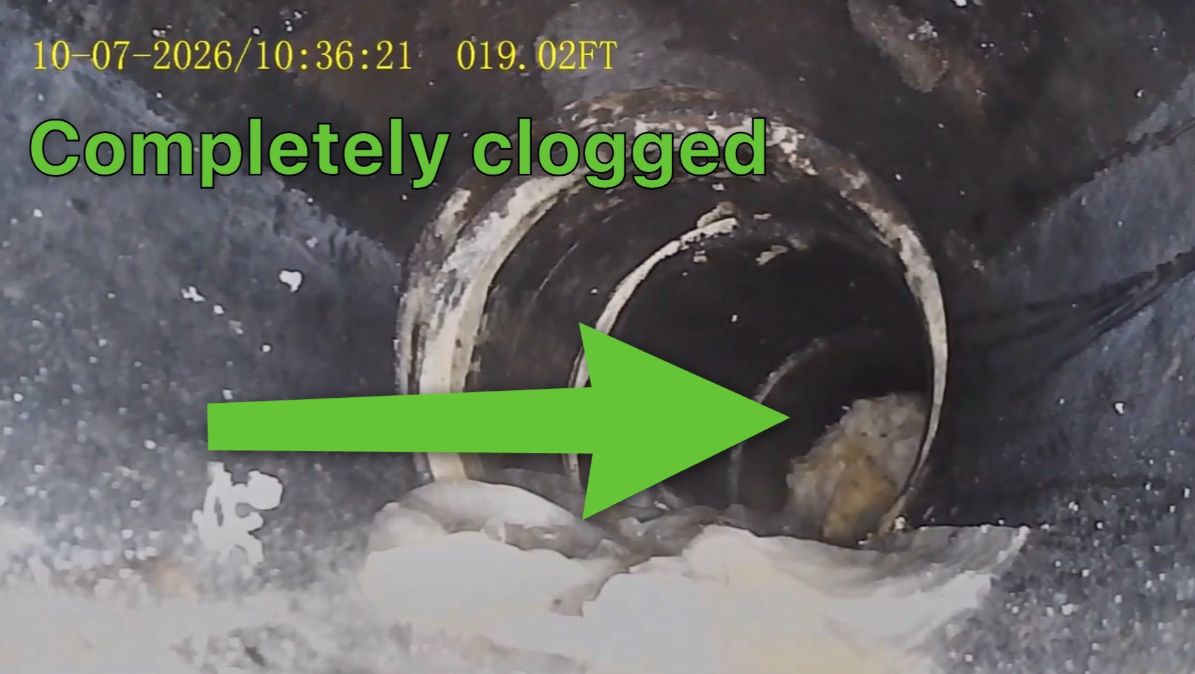
Our job as home inspectors is to evaluate visible and accessible components. We will flush toilets, run faucets, and check the interior plumbing drains. However, we will not take a look deep inside underground infrastructure unless the sewer scope is included as an add-on service to the home inspection. A pipe can be cracked, collapsing, or entirely choked out by tree roots, yet water might still drain normally during a brief 15-minute testing window.
2. Homeowners Own the Line All the Way to the Street
A common homebuyer misconception is that the city handles everything outside the house's exterior wall. In reality, homeowners are legally and financially responsible for the sewer lateral line all the way from the house foundation to the municipal main tap—even the portion buried beneath the public sidewalk and street.
3. Underground Repairs are Financially Ruinous
If an underground sewer line fails after you close, you cannot just call a standard plumber for a quick fix. Remedying a severely compromised lateral often requires heavy machinery, extensive excavation, destroying landscaping, or tearing up public pavement.
- The Cost: While a camera inspection costs a few hundred dollars up-front, a full sewer line replacement by excavation can easily trigger surprise bills ranging from $8,000 to $30,000 or more.
4. The Usual Suspects: Common Sewer Killers
Even if a home looks flawless on the surface, underground pipes face invisible, constant threats:
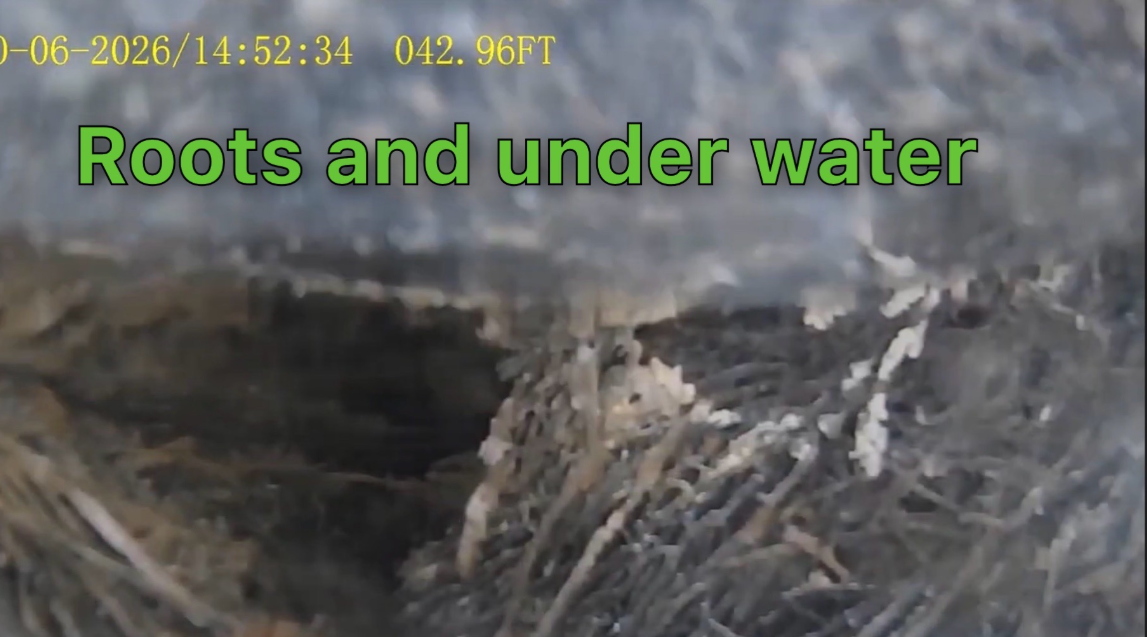
- 🌳 Tree Root Intrusion: Roots from beautiful, mature trees aggressively seek out moisture, breaking into pipe joints, growing into massive clogs, and shattering lines.
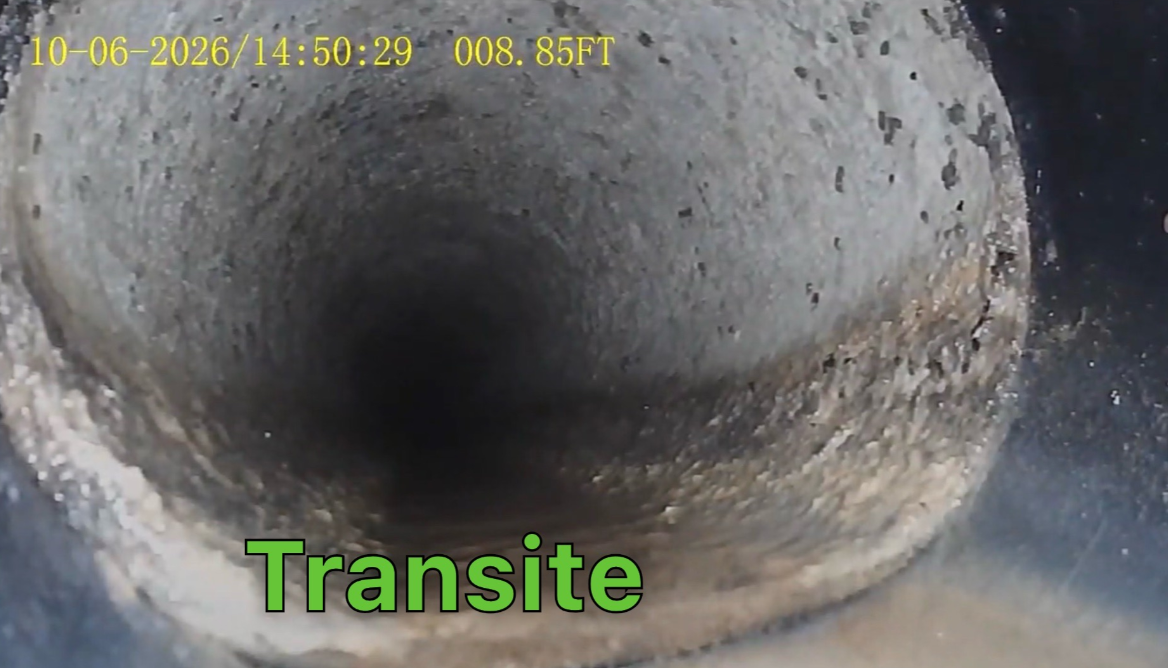
- 🏚️ Outdated Materials: Older homes may rely on fragile clay, eroding cast iron, transite asbestos, or no-corrode pipes (which are essentially made of tar-paper and prone to flattening over time).
- 📉 Sags or "Bellies": Shifting soil can cause sections of the pipe to sink. Waste collects in these low spots, creating recurring, severe backups.
- 🚜 New Construction Risks: Don't assume a new build is safe. Heavy construction vehicles frequently crack brand-new lines, or workers accidentally leave building debris inside the pipes.
Leverage Your Results Professionally
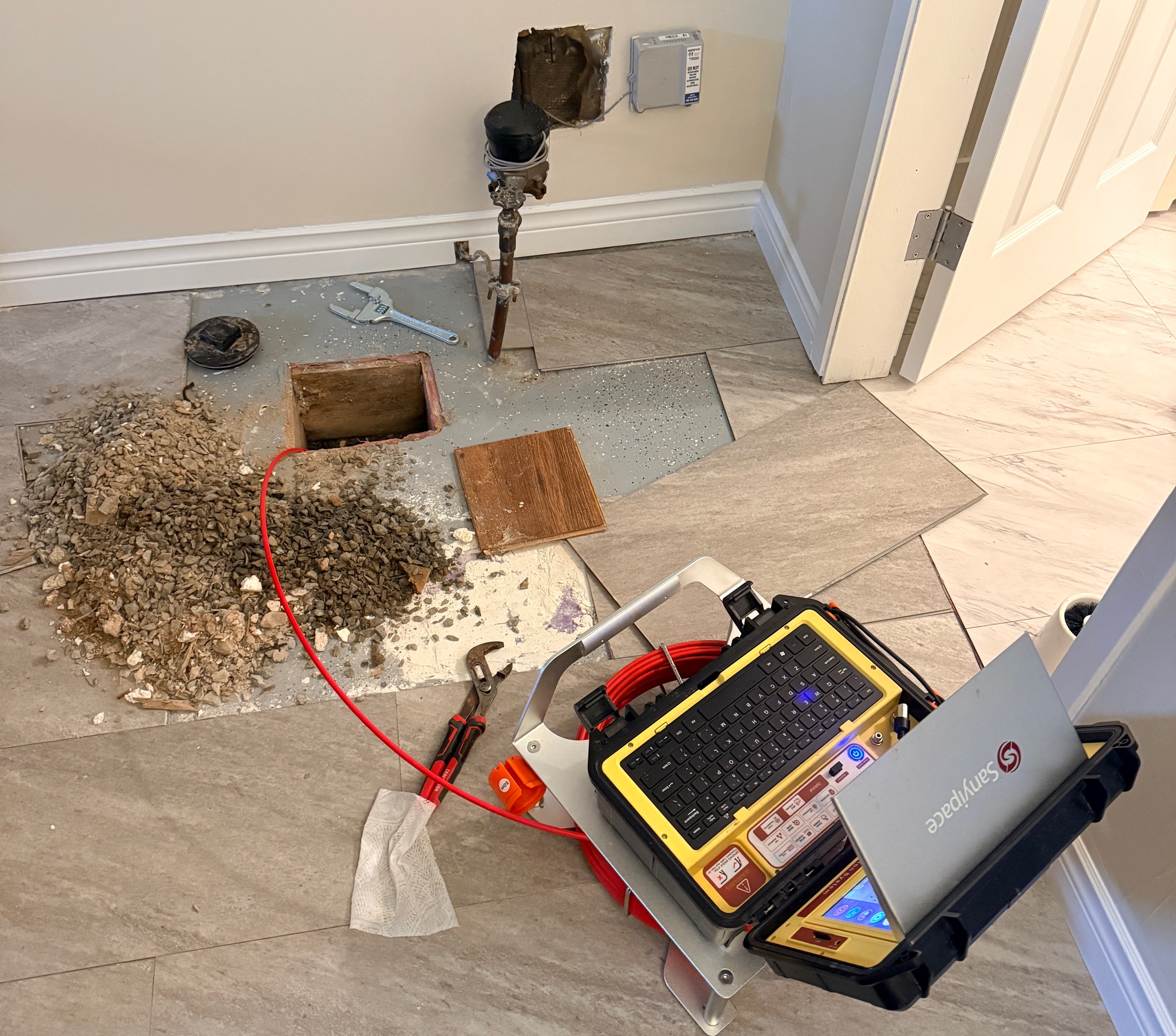
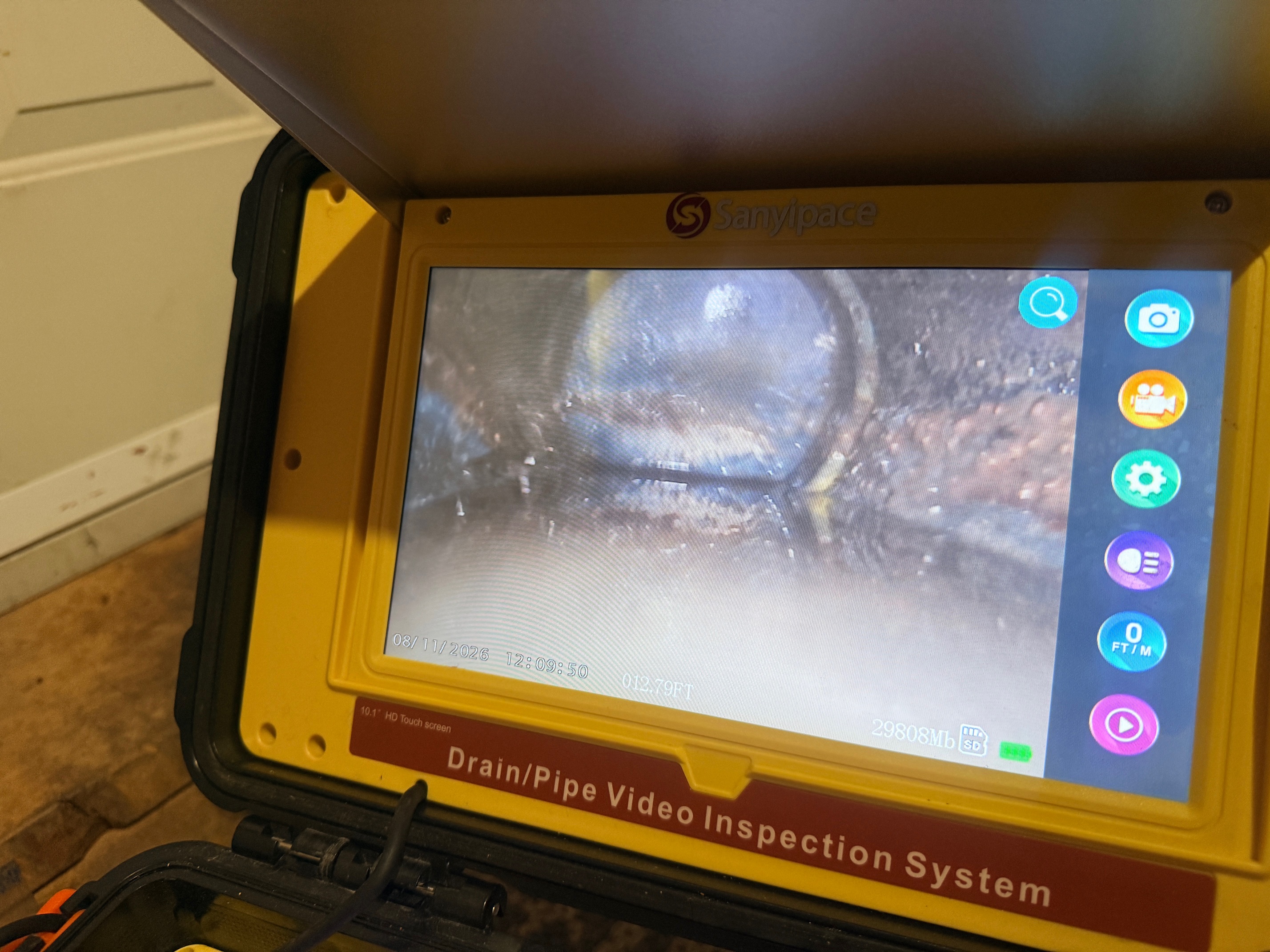
A sewer lateral inspection is non-invasive and takes less than an hour. The Home Detective (that's me ;) snakes a flexible, high-definition camera through the sewer cleanout, tracking the exact depth and structural health of the line.
If the camera uncovers structural issues, you aren't necessarily forced to walk away from your dream home. Instead, you can use the video footage and inspector’s report as powerful leverage. You can request that the seller repair the line before closing, ask for a financial credit to handle it yourself, or adjust your purchase offer accordingly.
Bottom Line
Spending a few hundred dollars on a sewer scope is a drop in the bucket compared to the total cost of a home. Treat it as an essential insurance policy for your bank account—because what you can’t see can absolutely hurt you.
____________________________________________________________________________________________________________________________________________________________________
Radon in Canada: The Silent Threat in Your Home
Radon is an invisible, odourless, and tasteless radioactive gas that poses a significant health risk to Canadians. It's the leading cause of lung cancer in non-smokers and is estimated to be responsible for more than 3,200 lung cancer deaths in Canada each year. The only way to know the radon level in your home is to test for it.

What is Radon and Where Does It Come From?
Radon is a naturally occurring gas produced by the breakdown of uranium found in soil and rock. Outdoors, radon is diluted to low concentrations and is harmless. However, when it enters an enclosed space like a house, it can accumulate to dangerous levels.
Radon can seep into your home anywhere it finds an opening in the foundation:
- Cracks in foundation walls and floor slabs.
- Gaps around service pipes and drains.
- Construction joints and sumps.
- Cavities inside walls.
Because Canadian homes are well-sealed to keep in heat during the winter months, radon concentrations can easily build up inside.
The Canadian Guideline and National Statistics
Health Canada recommends that the average annual level of radon in a normal living area should not exceed 200 Becquerels per cubic metre (Bq/m³). If your home's level is above this guideline, corrective action is recommended, with higher levels requiring sooner action.
Recent studies indicate that high radon levels are a widespread issue across the country. The 2024 Cross-Canada Survey of Radon Exposure found that nearly 18% of Canadian homes have radon levels at or above the 200 Bq/m³ threshold, more than double the estimate from a decade prior.
While no region is "radon-free," some provinces and territories have higher average levels:
- Highest Percentages: Manitoba, New Brunswick, Saskatchewan, and the Yukon have the highest percentages of homes testing above the guideline.
- Varying Risks: Even within provinces with lower overall averages, certain health regions can have a high incidence of elevated radon, emphasizing that every home is unique.
Testing is Easy, Mitigation is Effective
The health risk from radon exposure depends on the concentration and duration of exposure, and the risk for smokers exposed to high concentrations is significantly higher. The good news is that this risk is preventable.
Testing:
- Health Canada recommends a long-term test (minimum of 3 months), ideally during the fall and winter, in the lowest lived-in level of your home. This provides the most accurate annual average.
- Do-it-yourself test kits are available at hardware stores or from public health organizations, or you can hire a certified professional.

Mitigation:
- If high levels are detected, a certified radon professional can install a mitigation system, most commonly active soil depressurization.
- This process usually takes less than a day and can reduce radon levels by more than 80%.
- The cost is comparable to other common home repairs like a new furnace.
Don't wait to ensure the air you and your family breathe is safe. Take action this Radon Action Month (November) or any time of year by testing your home.
For more information, visit the Take Action on Radon website or Health Canada's official page. You can find certified professionals through the Canadian National Radon Proficiency Program (C-NRPP).